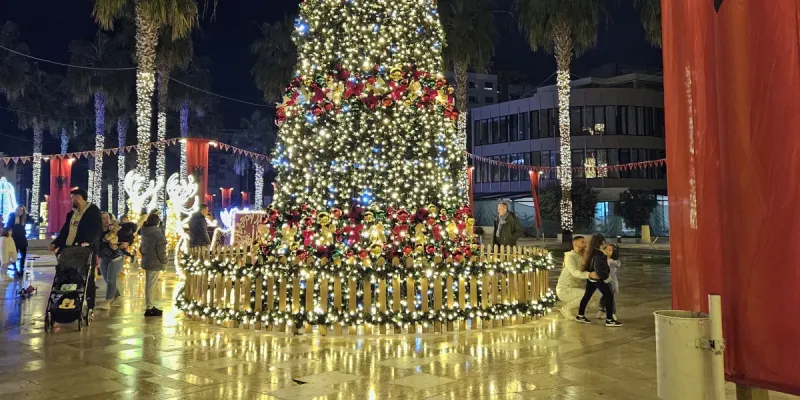
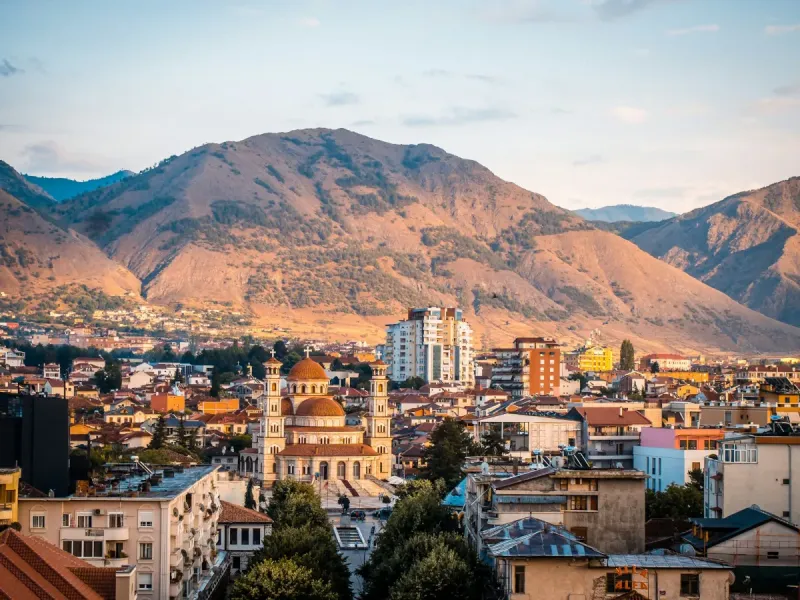
Durrës is often associated with summer holidays, sandy beaches and busy seaside restaurants. But what happens when the summer crowds disappear?
November and December offer a different way to experience Albania's second-largest city. The pace is slower, the historic centre is easier to explore, and you can spend more time discovering the city's Roman ruins, Byzantine heritage, local food and everyday life.
While swimming and beach holidays are no longer the main attractions, there is still plenty to do in Durrës during the colder months. Whether you are visiting for a day, staying nearby in Golem, or using Durrës as a base to explore Albania, here are some ideas for making the most of your visit.
1. Explore the Roman and Byzantine history of Durrës
One of the best reasons to visit Durrës outside summer is its remarkable history.
Known in antiquity as Dyrrachium, the city was an important port and settlement on the Adriatic coast. Its historic centre contains remains from several different periods, making it an interesting destination for anyone who enjoys archaeology and history.
Some of the most important places to see include:
Roman Amphitheatre: Built in the 2nd century AD, it is the largest Roman amphitheatre in the Balkans. Partially surrounded by modern buildings, it is one of the city's most fascinating historical sites.
Byzantine Walls: Built under Emperor Anastasius I in the late 5th century, these defensive walls are a reminder of Durrës' importance during the Byzantine period.
Venetian Tower: A distinctive 15th-century fortification near the old harbour, now restored as a heritage interpretation centre.
Byzantine Forum: The remains of an impressive circular public square dating from around the beginning of the 6th century.
Roman Baths: Archaeological remains of a Roman public bath complex discovered beneath the modern city.
These sites are relatively close to one another, making the historic centre easy to explore on foot.
Want to understand the history behind the ruins?
Instead of exploring alone, you can join our Durrës Walking Tour: Roman Ruins, Byzantine Walls and Ottoman Heritage.
This three-hour guided experience takes you through the city's main historical landmarks, including the Roman Amphitheatre, Byzantine Walls, Venetian Tower, Great Mosque and Byzantine Forum. The amphitheatre entrance ticket and a professional local guide are included.
2. Take a walk along the Durrës seafront
The summer beach atmosphere changes considerably in November and December, but the Adriatic coastline remains one of the city's most pleasant places to visit.
The Vollga promenade is a popular meeting place for locals, particularly in the afternoon. You can walk along the waterfront, enjoy views of the sea and stop for a coffee while watching the everyday rhythm of the city.
Continue towards the Sfinksi, a distinctive seaside structure and popular photo spot. Even outside the summer season, this part of the promenade is worth visiting.
For a quieter coastal experience, head towards Currila. This area has a different character from the long sandy beaches south of the city, with rocky sections, seaside cafés and views across the Adriatic.
Keep in mind that November and December can bring wind and rain, so check the weather before planning a longer coastal walk.
3. Discover the city from above at King Zog's Villa viewpoint
For a different perspective of Durrës, visit the hill overlooking the city where King Zog's Royal Villa is located.
The villa itself is not generally open to visitors, but the surrounding viewpoint offers panoramic views of Durrës, its harbour and the bay.
It is particularly interesting if you want to understand the city's geography and see how the historic centre, port and coastline fit together.
The viewpoint is also included in our private city experience, making it a convenient stop if you prefer exploring beyond the historic centre without walking everywhere.
4. Try traditional Albanian food
A visit to Albania would not be complete without trying some local food.
November and December are good months to enjoy traditional Albanian dishes in a relaxed setting. Instead of focusing on beach restaurants, look for places serving home-style cooking and regional specialities.
Some dishes worth trying include:
Tavë kosi: A traditional baked dish made with lamb, rice and yoghurt.
Fërgesë: A rich dish usually prepared with peppers, tomatoes and cheese, sometimes with meat.
Byrek: A savoury pastry filled with cheese, spinach, meat or other ingredients.
Qofte: Seasoned meatballs or grilled minced-meat patties, commonly served with bread and other accompaniments.
Fresh seafood: Durrës has a long connection with the sea, and fish and seafood remain part of its food culture.
For a quick local experience, try a freshly baked byrek with a glass of dhallë, a traditional yoghurt drink.
You can also ask your local guide for recommendations on where to eat during your visit. Restaurants may have different opening hours outside the summer season, so it is worth checking in advance.
5. Explore Durrës beyond the historic centre
There is more to Durrës than its archaeological sites and central promenade.
If you have extra time, explore some of the city's surrounding coastal neighbourhoods.
Currila is a good place to enjoy the coastline away from the main beach. Its rocky shore and seaside cafés give it a different atmosphere from the busy summer resort areas.
Kallmi offers a greener and quieter coastal landscape, with olive groves, rocky coves and views of the Adriatic. It is particularly appealing for a scenic stop when the weather is good.
These areas are easier to visit with a car, especially during the colder months when you may not want to spend too much time walking between locations.
Prefer to see more of Durrës in one trip?
Our Durrës Private Tour: See the City with a Local Driver-Guide combines the historic centre with the seafront, King Zog's hill, Currila and the Kallmi coast.
The five-hour private experience includes hotel pickup and drop-off in Durrës, a local English-speaking driver-guide, water and a drink in Currila. It is designed for small groups of 2–7 guests, with flexible timing and stops along the way.
The summer swimming and beach options are seasonal, but Kallmi remains a scenic coastal stop throughout the year when conditions allow.
6. Is cycling in Durrës still an option in winter?
Durrës is a relatively flat city, which makes cycling an appealing way to explore its streets and coastline.
November and December can still bring pleasant days for cycling, although conditions are less predictable than during spring and summer. Wind, rain and shorter daylight hours can affect your plans.
If the weather is suitable, you can enjoy a ride along the seafront or explore parts of the city at your own pace.
For winter cycling, consider:
Checking the forecast before setting off.
Choosing daylight hours.
Wearing layers and bringing a light waterproof jacket.
Being careful on wet roads and coastal sections exposed to wind.
Cycling is best treated as a weather-dependent activity rather than something to plan around every day.
7. What is the weather like in Durrës in November and December?
November and December are considerably cooler than the summer months, but winters in coastal Albania are generally milder than in many parts of northern and central Europe.
You can expect a mixture of sunny days, cloudy weather and periods of rain. Temperatures vary, and conditions can change quickly, particularly near the coast.
A practical packing list includes:
A light or medium-weight jacket.
Comfortable walking shoes.
A waterproof layer.
Warmer clothing for evenings.
Sunglasses for sunny days.
You probably will not need heavy winter clothing throughout the day, but it is worth preparing for wind and rain.
The most important thing is to keep your itinerary flexible. On a sunny day, prioritise the seafront and coastal viewpoints. If it rains, spend more time exploring the historic centre, museums, cafés and restaurants.
8. Is Durrës worth visiting in November and December?
Yes, especially if you are interested in history, local culture and experiencing a less crowded side of Albania.
Durrës is not a typical winter beach destination, and you should not expect the same atmosphere as July or August. Some seasonal businesses may close or reduce their opening hours.
However, the city's historical attractions, local restaurants and waterfront remain reasons to visit.
A day in Durrës during November or December can be enough to explore the main historical landmarks, enjoy a meal and take a walk along the Adriatic.
If you have more time, you can also discover the surrounding coastline and viewpoints.
Planning your visit to Durrës
Here are a few practical things to keep in mind:
How long should you stay? A half-day is enough for the main historic centre, while a full day gives you more time for the seafront and surrounding areas.
Do you need a car? Not for the main historical attractions, which are within walking distance of one another. A car is more convenient for visiting places such as Kallmi.
Are attractions open in winter? Many major sites can be visited outside summer, but opening hours and access may vary. Check before travelling.
What should you wear? Comfortable walking shoes and layers are the safest choice.
Should you book a guided tour? A local guide can help you understand the city's history and make it easier to visit several places in a limited amount of time.
Discover Durrës with a local guide
Whether you have a few hours or a full day, Durrës offers plenty of opportunities to discover Albania beyond its summer beaches.
Explore the ancient city on foot with our Durrës Walking Tour, or see more of the city and its coastline on our private Durrës tour with a local driver-guide.
Both experiences offer a different way to discover the history, character and coastal scenery of Durrës.