
Cultural · Durrës
Durrës Walking Tour: Roman Ruins, Byzantine Walls & Ottoman Heritage
3 hours · From €24 per person · Max 14 guests
About this experience
Walk through 2,000 years of history in Durrës: from the Roman Amphitheatre and ancient Byzantine walls to Ottoman-era mosques and the historic Durrës Balcony overlooking the Adriatic.
Meeting point: Venetian Tower, by the port
Durrës is one of the oldest cities in Albania, and this walking tour takes you through layers of Roman, Byzantine, Venetian, and Ottoman history packed into a compact, walkable city center. The tour begins at the Anastasius Forum, the remains of a once-bustling Byzantine market square, before continuing to the Roman Baths, a quiet but evocative reminder of the city's ancient origins.
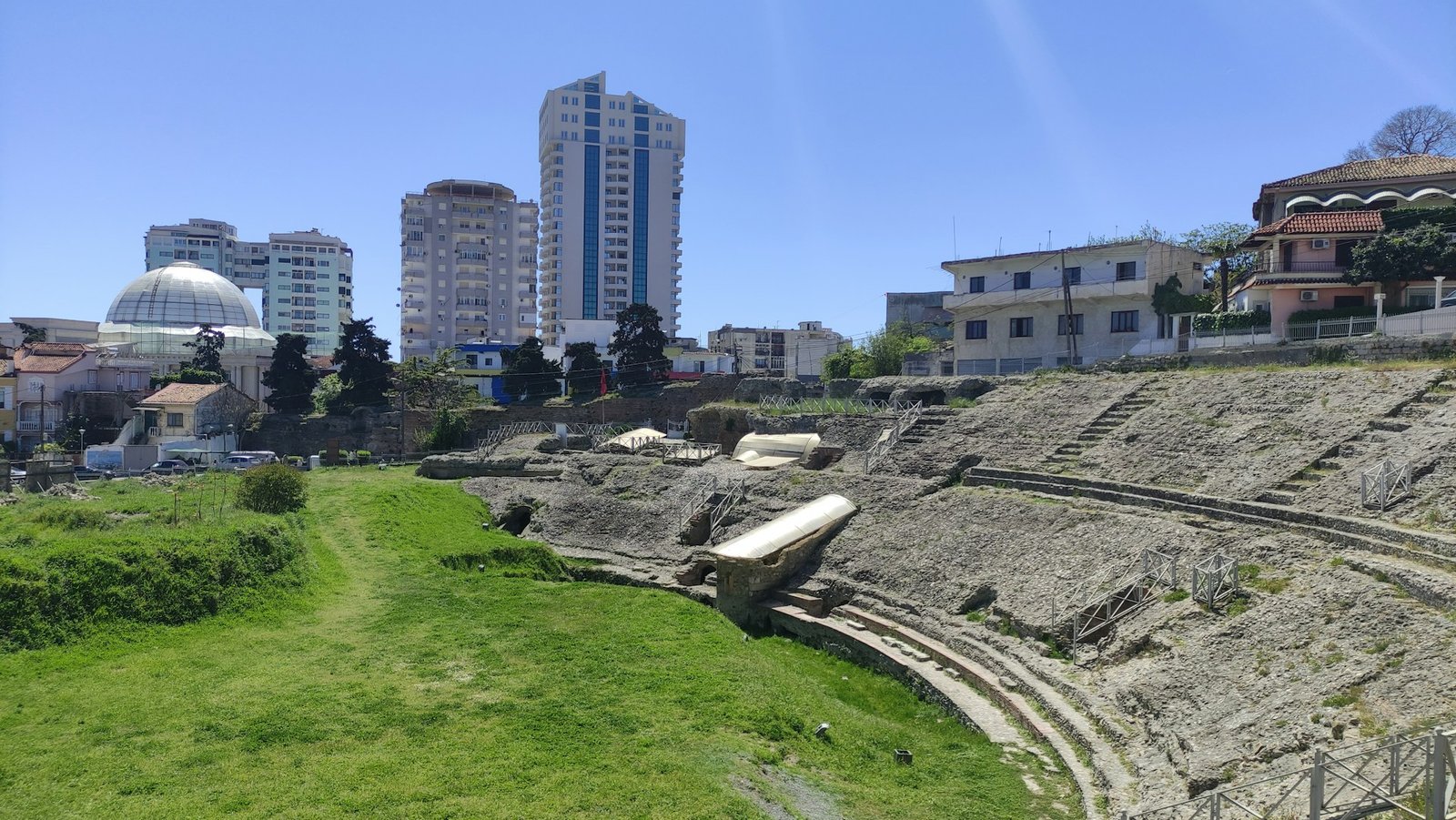
From there, you'll pass through Xhamia e Madhe (the Great Mosque), a striking example of Ottoman-era religious architecture still active today, before arriving at the city's undisputed highlight: the Durrës Amphitheatre. Built in the 2nd century AD, it's the largest amphitheater in the Balkans and one of the most important Roman monuments in Albania.
The route continues along the Byzantine city walls and the Venetian Tower of Durrës, both silent witnesses to the many empires that once controlled this Adriatic port city. A stop at the Orthodox Church of the Apostle Paul and Saint Asteios (near the BKT building) offers a look at the city's religious diversity, before the tour concludes at the Durrës Balcony, a scenic viewpoint over the sea and harbor. The perfect spot to catch your breath and take in the view after a day of walking.
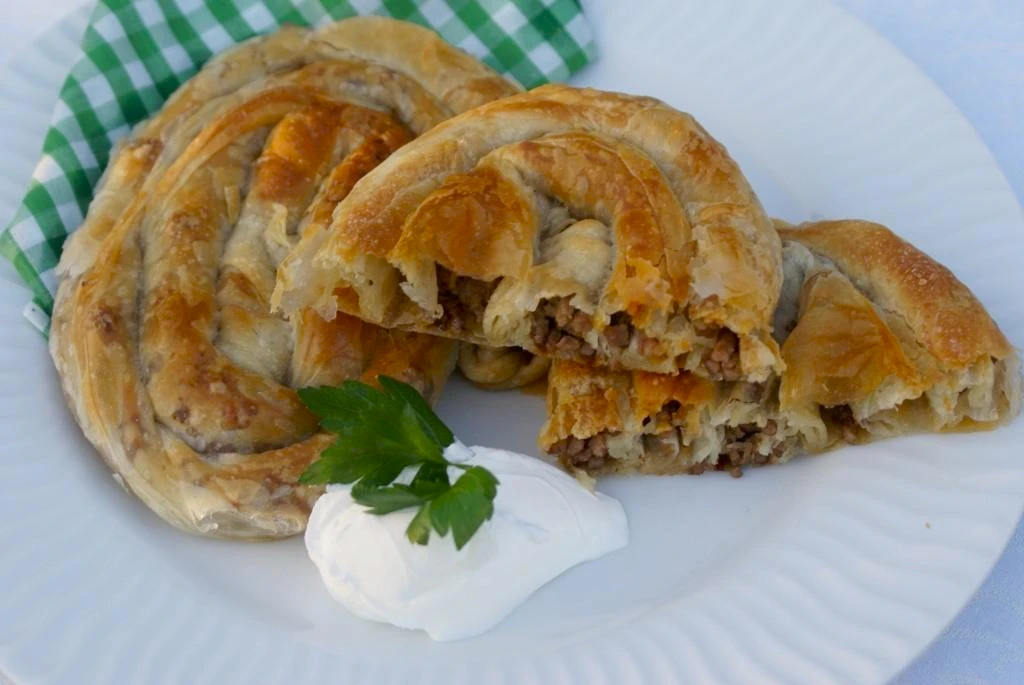
Along the way, your guide can point you toward a stop for byrek near the Sufllaqe corner by Valuta. A favorite quick bite among locals, or other local flavors depending on the group's preference.
Your itinerary
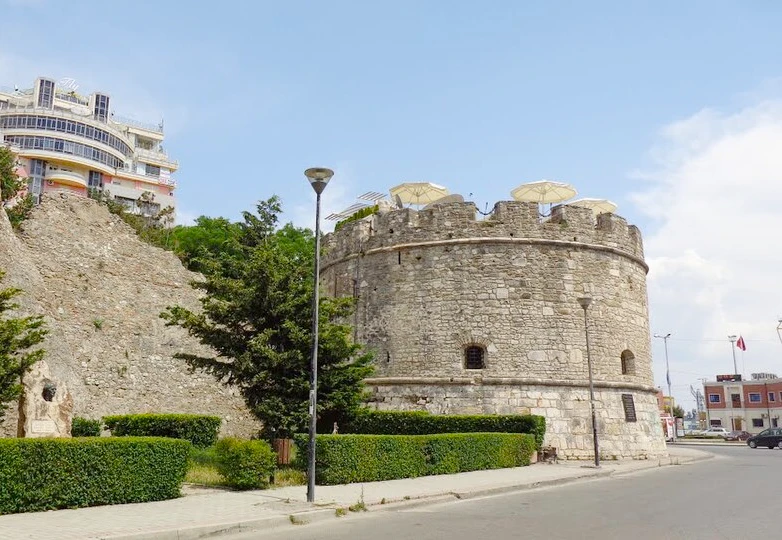
Venetian Tower
Guarding the harbor since the 15th century, the Venetian Tower of Durrës is a 9-meter round fortress steeped in history and defiance. Built over an older Byzantine structure as a cannon-armed artillery post, it stands on Mujo Ulqinaku Square. The site where local forces mounted a brave defense against invading Italian troops in 1939. Though long remembered by locals as a favorite rooftop café, a major EU-backed restoration recently transformed this iconic landmark into Albania’s very first heritage interpretation center.
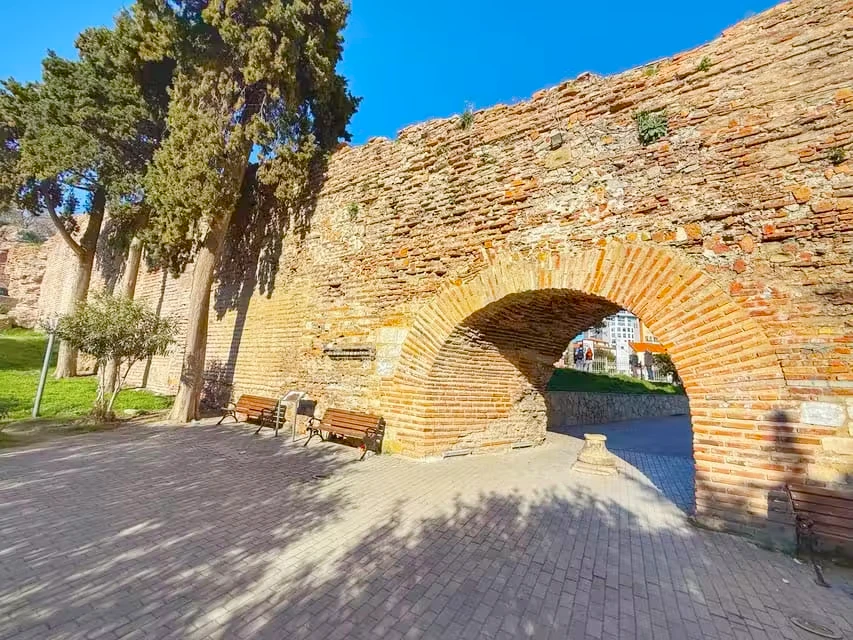
Byzantine City Walls
Commissioned in the late 5th century by Emperor Anastasius I to protect his hometown, the Byzantine City Walls turned Durrës into one of the most formidable strongholds on the Adriatic. They were once so wide that medieval historian Anna Komnene famously claimed four horsemen could ride abreast along the top. Rebuilt after a devastating earthquake in 1273 and later reinforced by Venetian and Ottoman rulers, roughly a third of the original ramparts still survives today at heights up to 4.5 meters.
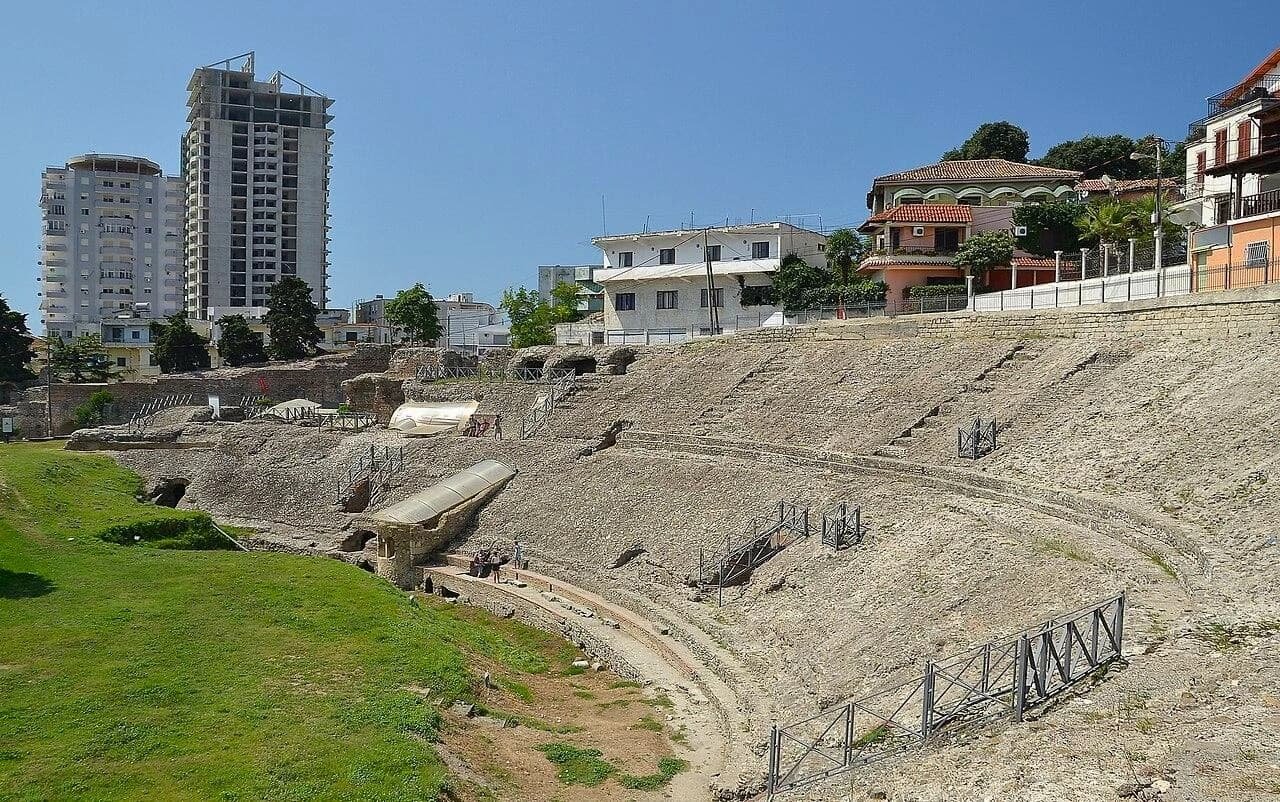
Roman Amphitheatre
Commissioned in the early 2nd century AD under Emperor Trajan, the Roman Amphitheatre of Durrës is the largest in the Balkans, cleverly built into a hillside to seat up to 20,000 spectators for ancient gladiator games. After a 4th-century earthquake brought an end to the arena's shows, early Christians built a chapel within its stone galleries, decorating it with rare 6th-century mosaics that survive today. Forgotten and buried beneath residential neighborhood streets during the Ottoman era, it was rediscovered in 1966 by archaeologist Vangjel Toçi and remains on Albania's UNESCO tentative list as an extraordinary, partially excavated treasure.
Durrës Balcony (optional)
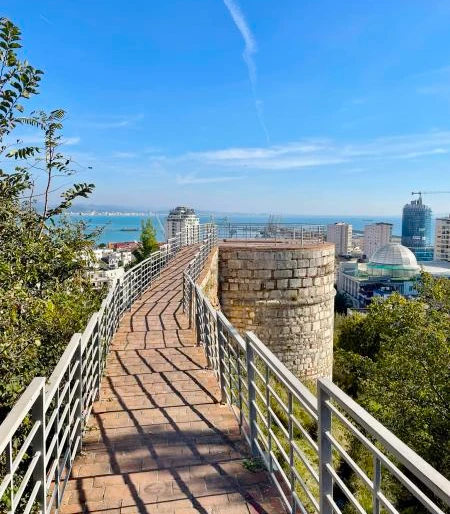
Perched on the hills above the city, the Durrës Balcony. Historically known as the Angevin Tower (Kulla Anzhuine) is a medieval hilltop fortification built under the Anjou dynasty, who established the "Kingdom of Albania" in 1272 with Durrës as its capital. Today, it serves as one of the best sunset viewpoints in the city, offering a panoramic vantage point where you can trace your entire tour route: the Venetian Tower by the harbor, the ancient city walls, the Roman Amphitheatre below, and the mosque square.
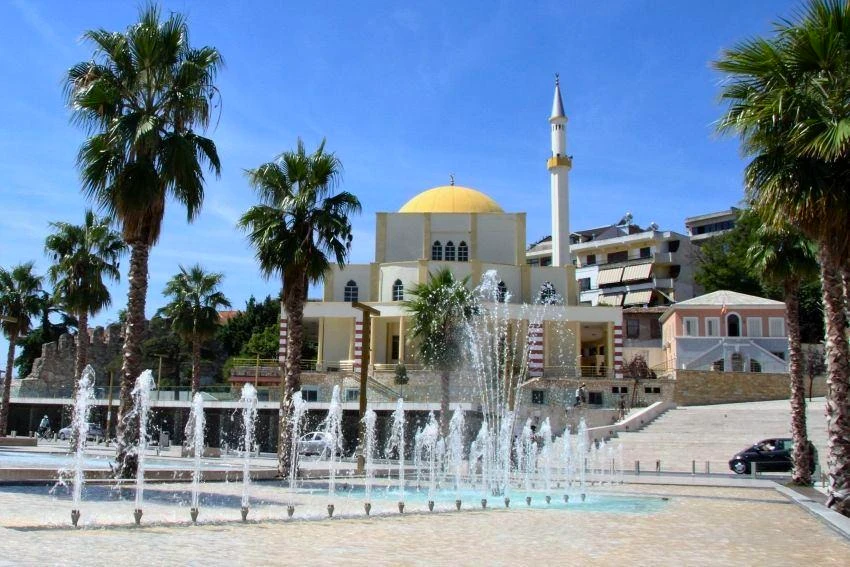
Great Mosque
Dominating the central plaza, the Great Mosque of Durrës was built in 1931 under King Zog I by Italian architects, replacing an older Ottoman-era house of worship to become the largest mosque in Albania at the time. Its story closely reflects the nation's modern history: stripped of its minaret and repurposed into a youth center when the communist regime banned religion in 1967, and later damaged in the 1979 earthquake. Reopened in 1993 with a new minaret, it is now a protected Cultural Monument.
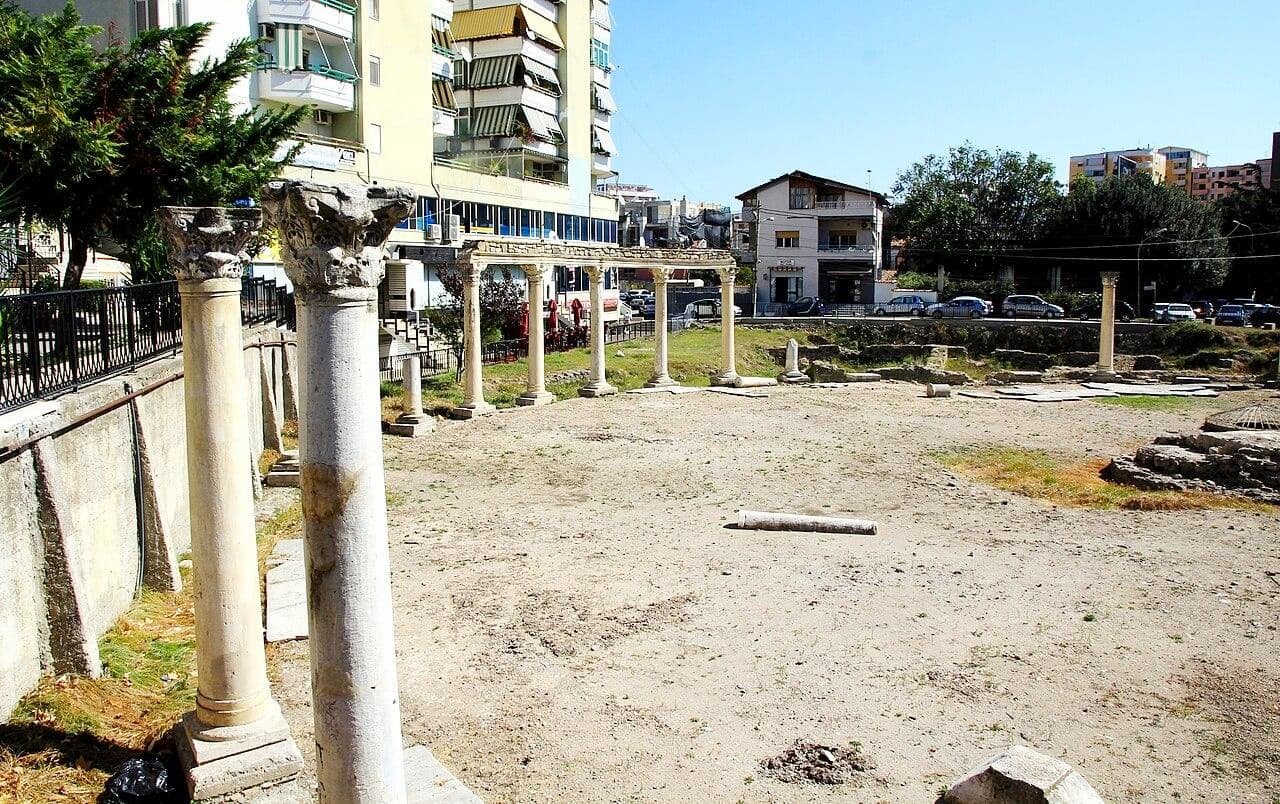
Byzantine Forum (Anastasius Forum)
Built around the turn of the 6th century as a gift from Emperor Anastasius I to his native city, the Byzantine Forum (Anastasius Forum) was once the grand heart of civic life in ancient Dyrrachium. This striking 40-meter circular plaza was encircled by fine Corinthian columns, with a central rotunda that likely displayed a monumental statue. Originally believed to be a simple marketplace (macellum), modern excavations show it was modeled after the famous Forum of Constantine in Constantinople as a venue for government, commerce, and public assemblies.
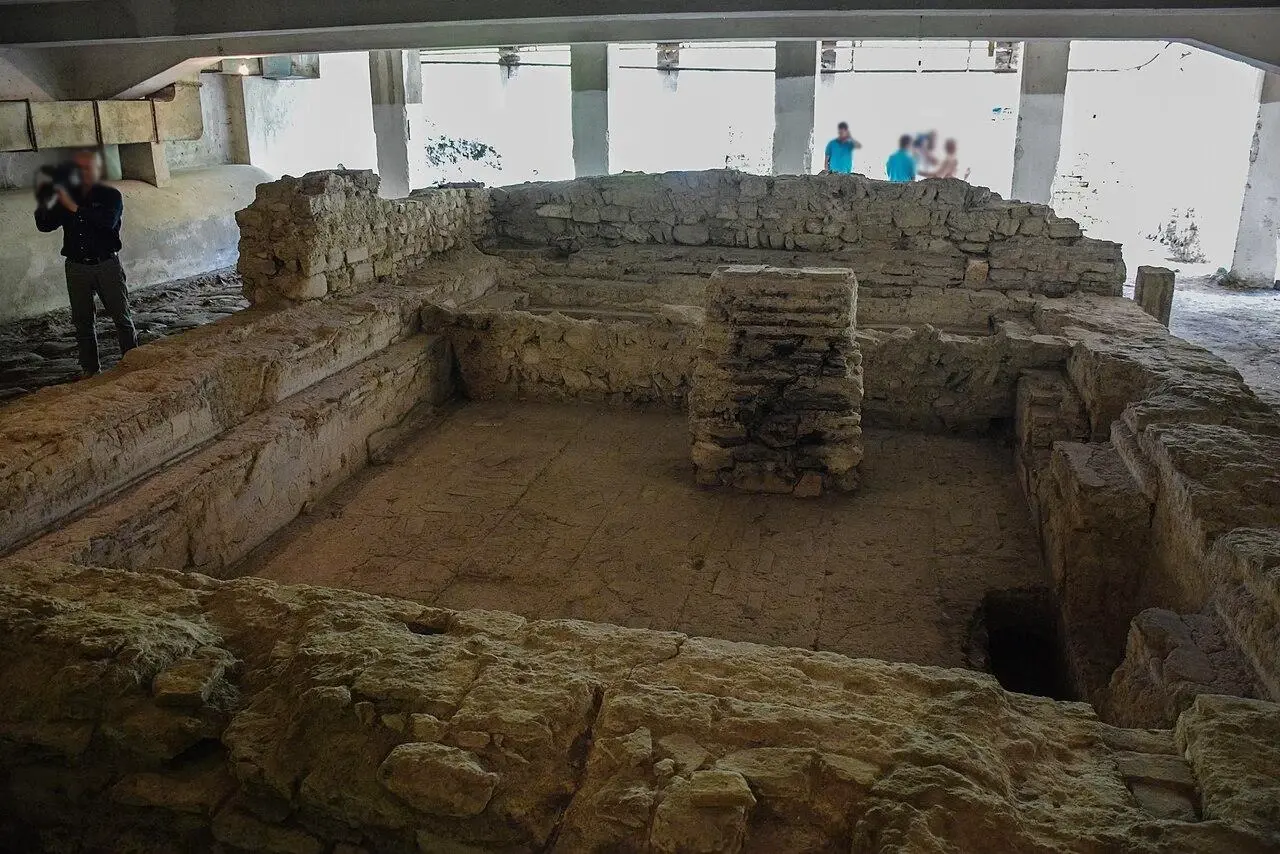
Roman Baths
A Roman public bath complex from the 2nd century AD, used until the 5th–6th century. Given its size, it was probably part of the city gymnasium. Found in 1960 while the foundations of the Palace of Culture were being dug. It covers about 700 m² and was never fully excavated. Follow a Roman bath routine: apodyterium (changing room), tepidarium (warm room, heated by hot air flowing under a raised floor, the hypocaust), frigidarium (cold room) and finally the swimming pool. Protected as a First Category Cultural Monument since 1973. Below the Roman level archaeologists found Hellenistic layers from the 3rd century BC, including a house with a mosaic.
Byrek Break
Take a well-earned stop on your walk to refuel with Albania’s favorite street food: Byrek. This warm, savory pie is made from paper-thin layers of flaky pastry (petë) baked in large round trays (tavë) and served in crisp slices. Choose from traditional fillings like djathë (salted white cheese), spinaq (spinach), mish (minced meat), presh (leek), or qepë e domate (onion and tomato). Pair your slice with a cold glass of dhallë a refreshing, slightly salty yogurt drink for the full local experience.
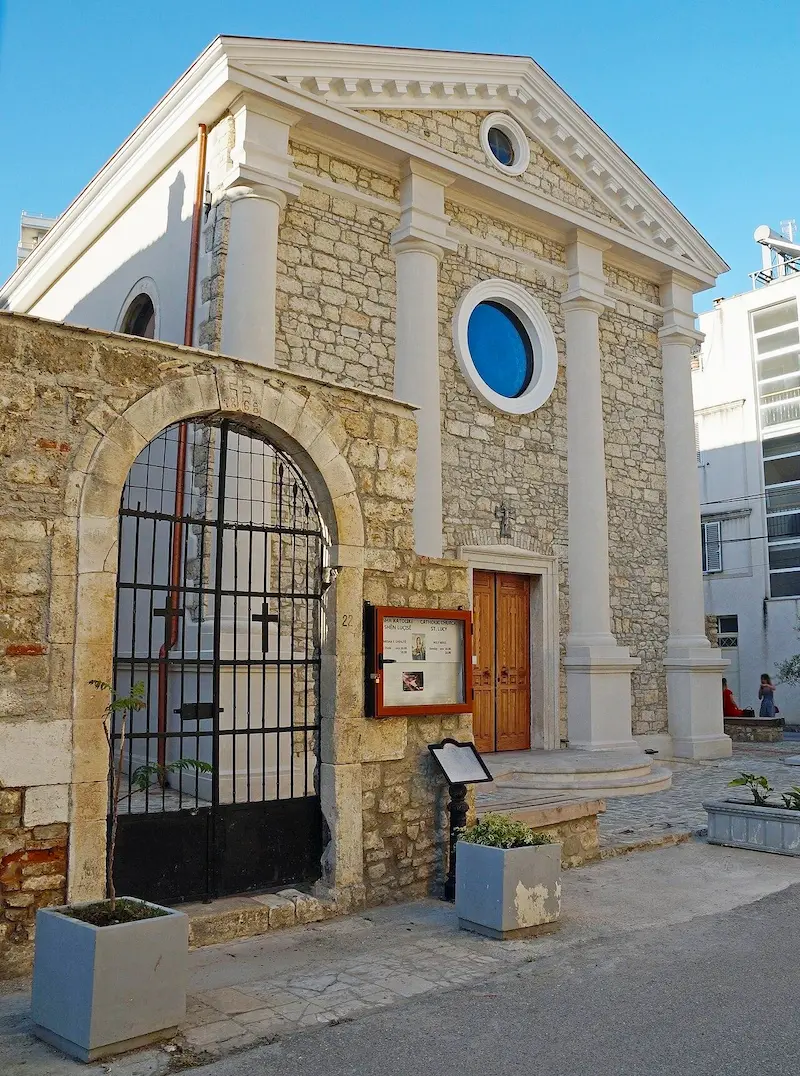
Catholic Church of Saint Lucy
As the oldest standing Christian church in the city, the Catholic Church of Saint Lucy was built between 1858 and 1868 with Austrian Habsburg funding following an official decree from Ottoman Sultan Abdülmecid I. During the state-enforced atheism of the communist era, the building was converted into a puppet theater and later a city theater storeroom, though devout locals still gathered to pray silently against its outer walls. Painstakingly restored in 2017, it now serves as a co-cathedral and houses the resting place of Dom Nikollë Kaçorri, a Catholic priest who co-signed Albania's 1912 Declaration of Independence and served in its first government, along with relics of revered Albanian martyrs.
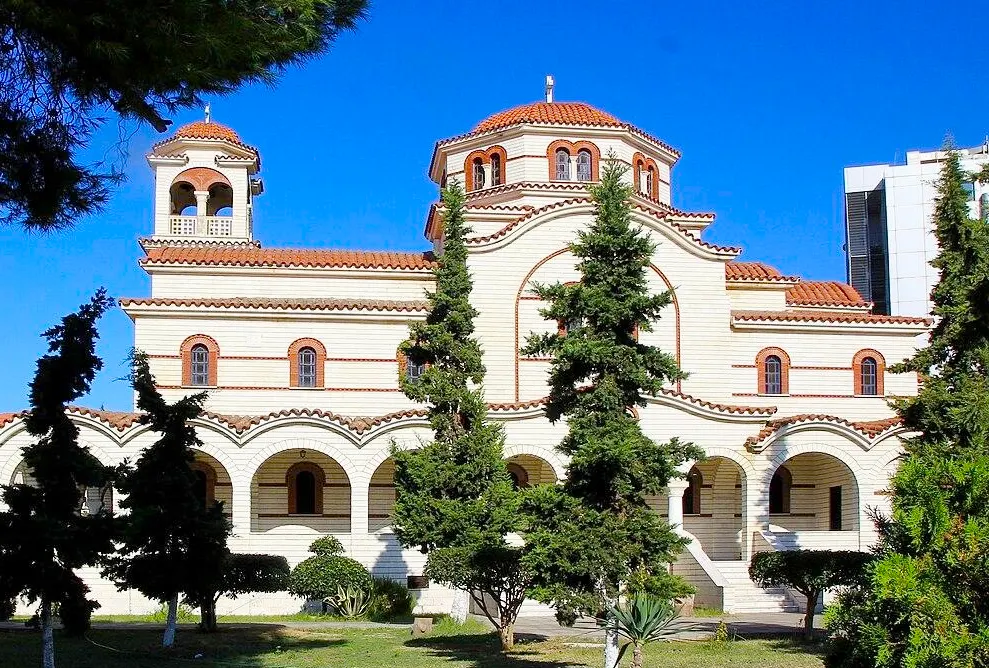
Orthodox Cathedral of the Apostle Paul and Saint Asti
A striking symbol of Albania's post-communist spiritual revival, the Orthodox Cathedral of the Apostle Paul and Saint Asti was completed in the early 2000s under Archbishop Anastasios. The cathedral honors two central figures in local history: the Apostle Paul, who traditionally founded the city's first Christian community during his travels through Illyricum, and Saint Asti, the first bishop and patron saint of Durrës, who was martyred under Emperor Trajan in AD 98 for refusing to renounce his faith. (Tour finish: With your historic walking tour complete, take a short stroll down to the waterfront promenade to unwind with a coffee by the sea!)
What's included
Included
- Amphitheatre Entrance Ticket
- Professional Local Guide
- Curated Historical Route
Not included
- Byrek Break Food & Drinks
- Hotel Pickup & Drop-off
Good to know
- Wear comfortable shoes. There are a few steps and one short climb (steeper to the viewpoint).
- Bring water, a hat and sunscreen in summer.
- For the mosque and churches, please cover shoulders and knees.
- The tour runs in the morning or late afternoon. Ask us about private dates.
Frequently asked questions
Ready to plan your trip?
Tell us when you'd like to travel and we'll get back to you to confirm availability. No payment is taken at this stage.
How it works
- Send us your dates and group size.
- We check availability and reply by email.
- You confirm. No payment is taken at this stage.
Good to know before you go: