Korça, Albania: The Little Paris of the Balkans
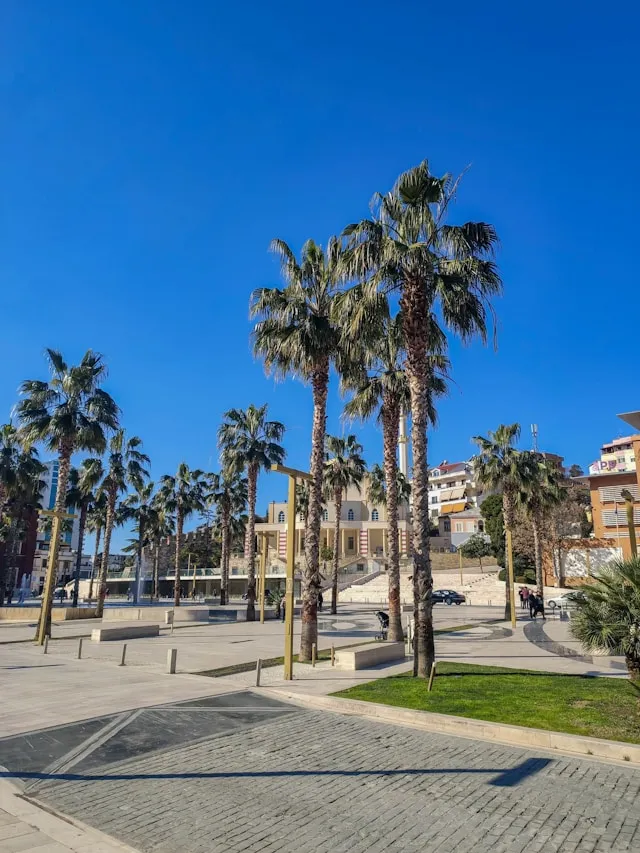
Tucked into the southeast corner of Albania, close to the borders of Greece and North Macedonia, Korça doesn't look or feel like the rest of the country — and that's exactly the point. Locals call it the "Little Paris of Albania," and once you're standing on its pedestrian boulevard surrounded by 19th-century French-style villas, the nickname stops sounding like tourist-brochure hyperbole and starts making sense.
Why "Little Paris"?
The name comes from Korça's unusually strong French cultural influence, tied to the opening of a French Lyceum in the city in the early 20th century. That connection shaped the local architecture — a number of 19th-century villas here are built in a distinctly French style, unlike anything else in Albania — along with a café culture that still defines the city today. Korça also carries a second nickname, "The City of Serenades," for its tradition of serenata, romantic ballads once performed beneath a lover's window and still sung in the city's bars today.
The Old Bazaar (Pazari i Vjetër)
This is the heart of Korça, and easily the most photogenic part of the city — cobblestone lanes, colorful stone buildings, and small artisan workshops, including a guitar-maker's shop where you can watch instruments being built by hand. Historically, the bazaar was organized by trade, and at its 19th-century peak it held close to a thousand shops, drawing merchants from as far as Trieste and Vienna after the decline of nearby Voskopoja's own market. It was renovated in 2017 and today mixes traditional cafés with small boutiques — order a Turkish coffee and just sit for a while; that's the whole point of visiting.
The First Albanian School (National Museum of Education)
Korça holds a genuinely significant piece of Albanian history: the country's first Albanian-language school opened here in 1887, at a time when teaching in Albanian was still restricted under Ottoman rule. The building is now the National Museum of Education, and it's worth the visit for anyone interested in how the modern Albanian national identity took shape.
The Resurrection of Christ Cathedral
You won't miss this one — its domes dominate the main pedestrian boulevard, Shën Gjergji. The current cathedral dates only to 1995, since the original was destroyed during the communist period, but it stands as the largest Orthodox cathedral in Albania and remains one of the city's most visited sites.
Gjon Mili Museum of Photography
Dedicated to Korça-born photographer Gjon Mili, who went on to become one of Life Magazine's most celebrated photographers, this small museum is an easy, worthwhile stop if you have any interest in photography or 20th-century visual culture.
National Museum of Medieval Art
One of the most important museums in the country, holding a rich collection of religious icons and medieval Albanian art — a quieter, less-visited counterpart to the bustle of the Old Bazaar just outside.
Food and Drink
Korça is also where Albania's first beer, Birra Korça, was brewed, and it's still worth trying at one of the bars along the boulevard. On the food side, this is the place to try lakror në saç — a savory pie baked traditionally under an iron dome covered with hot coals — along with other Korça specialties rarely found elsewhere in the country.
Planning Your Visit
Korça sits about 3 hours from Tirana by road, which makes it a genuine stretch as a single-day trip but a very comfortable stop if your itinerary includes an overnight. If you're mapping out how long to spend in Albania overall, Korça is exactly the kind of place worth budgeting an extra day for rather than rushing.
If you'd like the history, the bazaar, and the food explained by someone who actually grew up with it rather than pieced together from a guidebook, our Korça Cultural Walking Tour covers all of the sites above, and our Korça Culture & Cooking Experience adds a hands-on cooking session into the same day.